Materials and Tools for Beginners
Start with basics that teach, not impress
When assembling supplies, prioritise reliability, ease of use, and durability. The best beginner tools are forgiving, require little maintenance, and reveal how materials behave so learners can focus on technique rather than equipment quirks.
Paper and surfaces
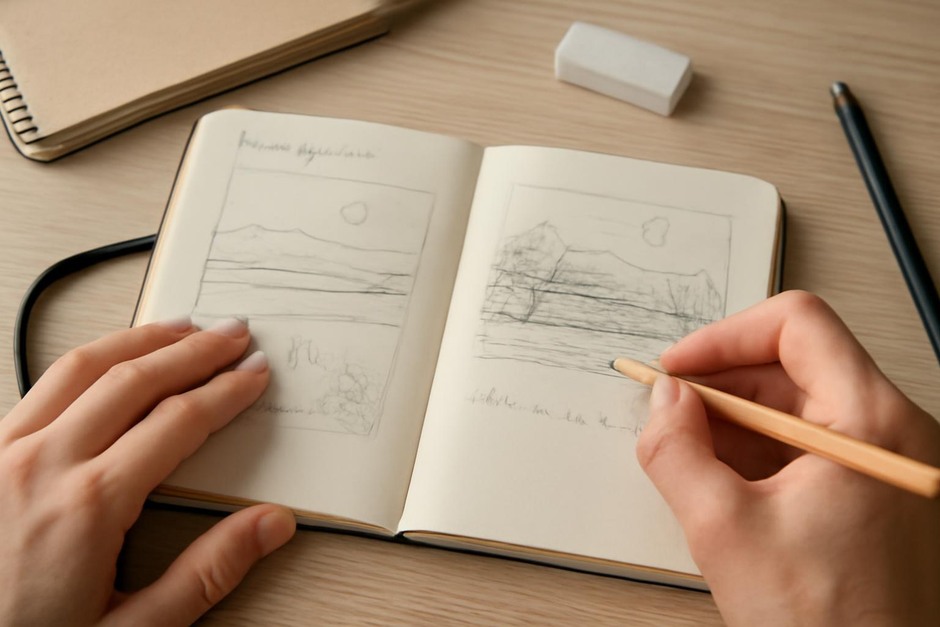
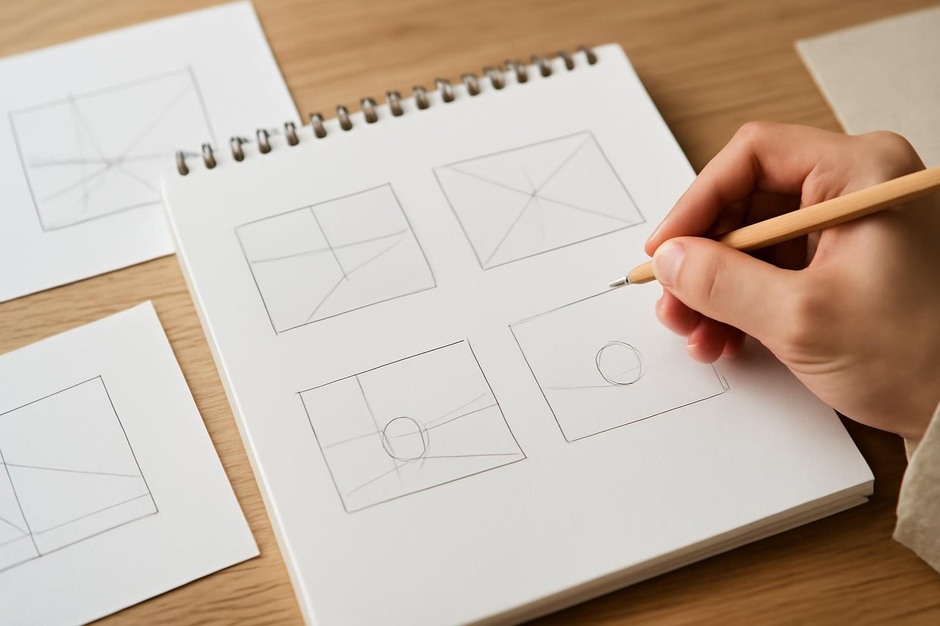
Select paper suited to the medium. For drawing, a medium-weight sketchbook with tooth supports graphite, charcoal, and ink. For water-based media, choose paper labelled for watercolor or mixed media that can withstand washes. Test sheets before committing to a large pad to confirm the feel and absorbency.
Pencils and drawing tools
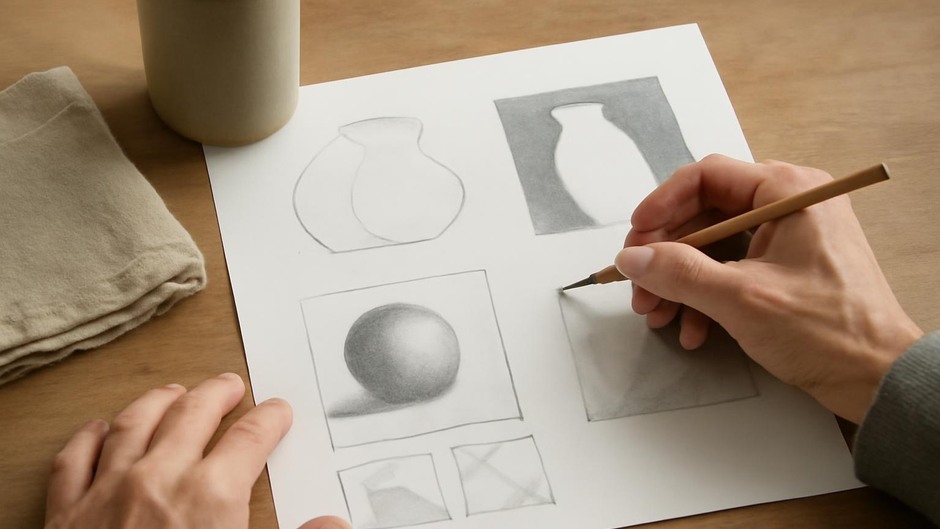
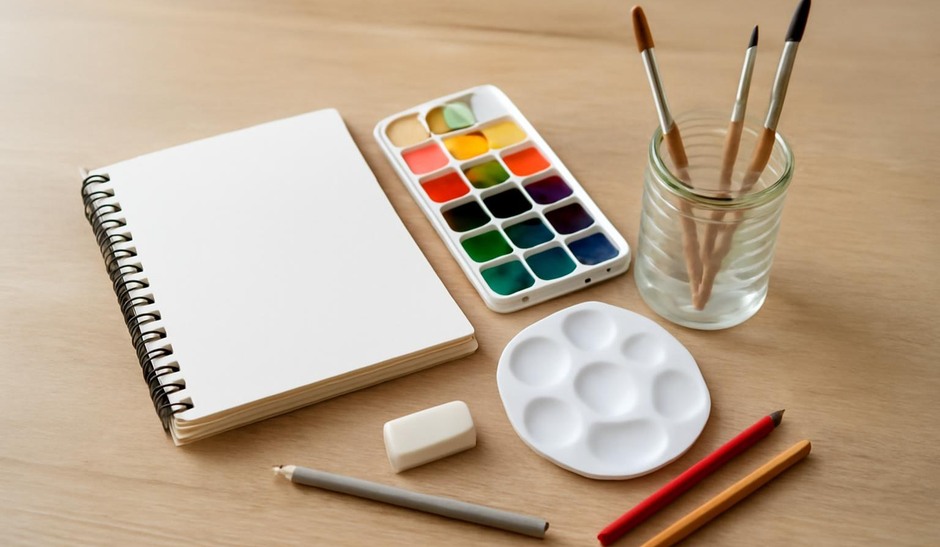
A range from HB to 6B covers a useful scope of values. Mechanical pencils can be handy for consistent lines. Include a soft eraser and a kneaded eraser for lifting tone. A blending stump or folded tissue can help with controlled smudging, though beginners should use blending sparingly to maintain clarity of form.
Brushes and paints
For acrylics, use synthetic brushes that hold shape; for watercolor, a modest set of round brushes in a few sizes and a flat wash brush is sufficient. Student-grade paints are economical and suitable for learning. As skills develop, consider upgrading a single pigment at a time to observe its unique qualities.
Palette and mixing areas
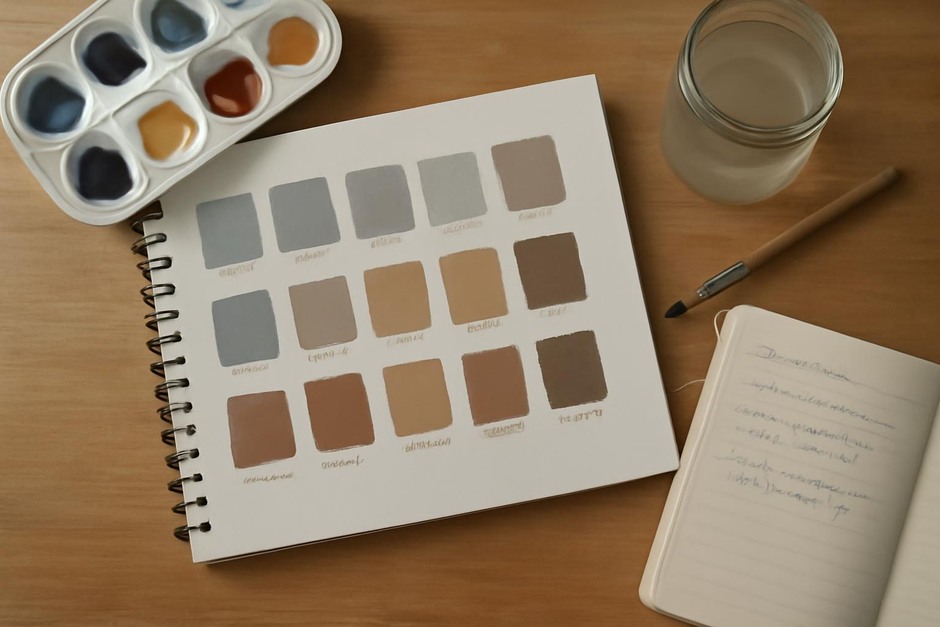
A simple ceramic or plastic palette with wells helps keep colours separate and clean. For watercolour, a mixing tray or palette with a lid extends working time. Keep a jar of water for cleaning and a cloth for blotting brushes between mixes.
Tools for mark-making and texture
Include tools that introduce texture: a coarse sponge, a toothbrush for splatter, a palette knife for impasto, and masking tape for clean edges. These inexpensive items broaden expressive possibilities without requiring advanced skill.
Storage and maintenance
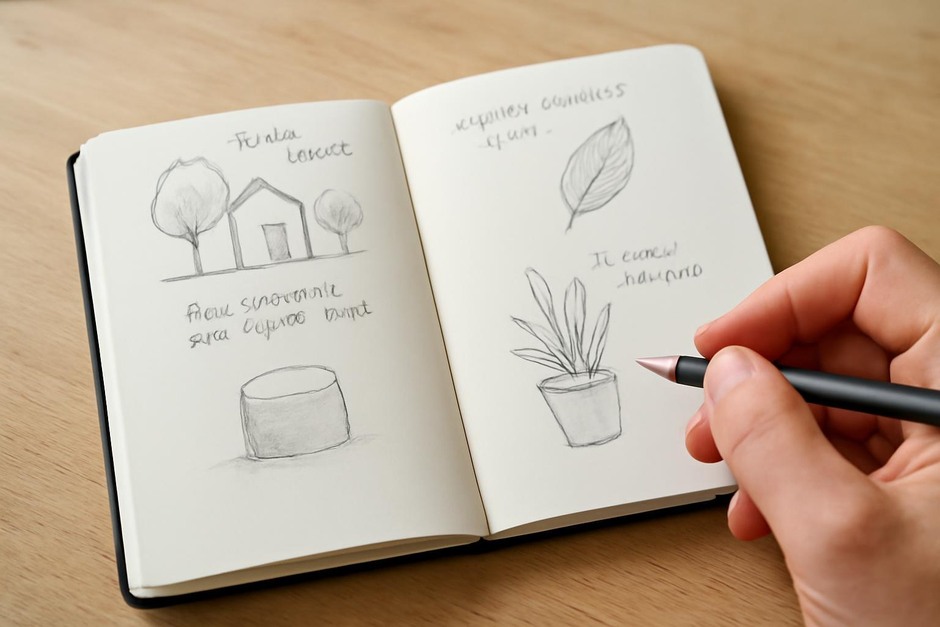
Store brushes vertically with bristles up or flat to maintain shape, and clean them thoroughly after sessions. Keep paints capped tightly and label jars or tubes. A small box or roll for drawing tools keeps essentials together for short outings and reduces friction when starting a session.
Testing and sample pages
Set aside a test sheet to try new materials and combinations. Note drying time, transparency, and how colours change as they dry. This short ritual reduces surprises when working on a project and builds a personal reference for future choices.
Practical safety and suitability
Choose non-toxic, labelled materials for children and classrooms. Consider washable paints and avoid small parts for very young makers. Read product labels for handling recommendations and storage advice to maintain a safe creative environment.
Final note
Materials are tools to support learning. Start with a compact, sensible kit and expand deliberately as skills and interests develop. Testing, recording observations, and modest investment in a few quality items will make practice smoother and more enjoyable.